
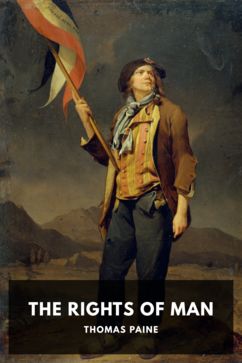
The Rights of Man - Thomas Paine
Read "The Rights of Man - Thomas Paine" Online
This book is available in the public domain. Start reading the digital edition below.
Book Preview
A short preview of the book’s content is shown below to give you an idea of its style and themes.
Let's set the scene. It's the 1790s. The American Revolution just wrapped up, and the French Revolution is kicking off. Across the English Channel, a conservative thinker named Edmund Burke writes a scathing criticism of the French uprising, mourning the loss of tradition and monarchy. Enter Thomas Paine. This guy, already famous for 'Common Sense,' reads Burke's work and basically says, 'Hold my beer.' 'The Rights of Man' is his explosive, point-by-point takedown.
The Story
There isn't a traditional plot with characters. Instead, the 'story' is the argument. Paine lays out his core belief: people are born with natural rights that can't be taken away. Governments don't grant these rights; they're supposed to protect them. He attacks the idea of hereditary government (why should someone rule just because their dad did?) and champions the concept of a social contract between the governed and their leaders. He paints a vision for a new kind of society with welfare programs, public education, and reduced taxes for the poor—ideas that were shockingly progressive for the time. The drama is in watching him dismantle the old order and passionately build a case for a fairer one.
Why You Should Read It
Don't let the 1791 publication date fool you. This book has energy. Reading Paine is like listening to a brilliant, slightly angry friend explain why the system is broken. His writing isn't stuffy; it's forceful and clear. You feel his genuine outrage at injustice and his burning hope for something better. The themes are instantly recognizable: the fight against inequality, the demand for representation, the debate over what we owe each other as a society. It connects the dots between the revolutions of the past and the political conversations we're still having now. It makes you realize how hard-fought and radical our most basic democratic ideas once were.
Final Verdict
This is a must-read for anyone who loves history, politics, or just a great, persuasive argument. It's perfect for the curious reader who wants to understand the foundational texts of democracy without wading through academic jargon. If you enjoyed the forcefulness of 'Common Sense,' this is the deeper, more global sequel. Fair warning: it's a political text, so it's all argument and no narrative. But if you're up for a stimulating, thought-provoking, and surprisingly relevant book that helped shape the modern world, pick up 'The Rights of Man.' It's a powerful reminder that words can indeed change everything.
You are viewing a work that belongs to the global public domain. Preserving history for future generations.
Robert Davis
9 months agoRight from the opening paragraph, the author doesn't just scratch the surface but goes into meaningful detail. Definitely a five-star contribution to the field.
William Jones
4 months agoAfter spending a few days with this digital edition, the objective evaluation of the pros and cons is very refreshing. Thanks for making such a high-quality version available.







Jessica Lopez
8 months agoIf you're tired of surface-level information, the emphasis on ethics and sustainability within the topic is commendable. A rare gem in a sea of mediocre content.